





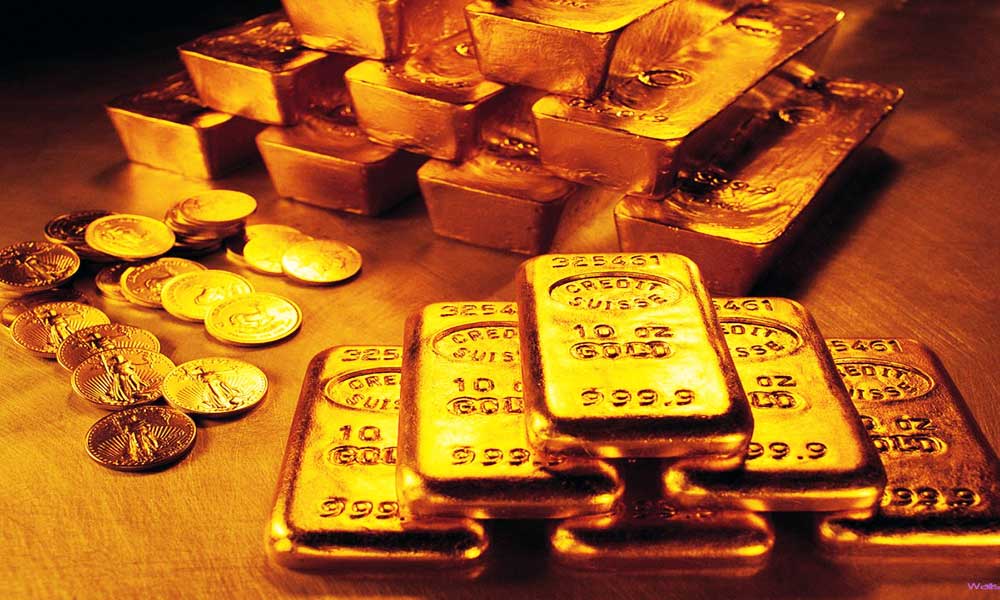
A seller walks into Midtown Manhattan’s Diamond District carrying a pre-1933 gold coin inherited from a grandparent. Minutes later, the same coin has attracted two strikingly different offers. One buyer values it at just over $2,000 after weighing it and checking the live gold price. Another studies it under magnification, pauses over its mint mark and condition, then offers more than twice as much.
The gap can seem baffling to anyone unfamiliar with the secondary precious-metals market. Surely one appraisal must be wrong.
More often than not, neither is.
The difference lies in the fact that professionals are repeatedly answering two entirely different questions. One asks, “How much gold is in this object?” The other asks, “What is this object worth because it has survived?”
Understanding those competing approaches demonstrates why experienced gold buyers can arrive at dramatically different conclusions while evaluating precisely the same item.
When Gold Becomes a Commodity
Most transactions in the secondary market begin with the intrinsic value of the metal itself. Under this approach, a gold object is treated not as an artefact but as raw material awaiting reclamation.
The calculation is straightforward: weight, purity and the current spot price determine the item’s baseline value. Modern testing equipment confirms its composition, while certified scales establish its precise weight. Once those figures are known, the mathematics leaves little room for interpretation.
Historical importance, craftsmanship and age play almost no role.
A century-old gold coin and a broken piece of dental gold that contains the same quantity of pure gold can therefore produce remarkably similar offers. Both ultimately become bullion from the perspective of a refiner.
Because buyers operating in this market can quickly process or hedge their inventory, risk remains relatively low. Their offers naturally reflect the value of the precious metal itself, adjusted for refining and operating costs.
When History Matters More Than Weight
Not every gold object is destined for the melting furnace.
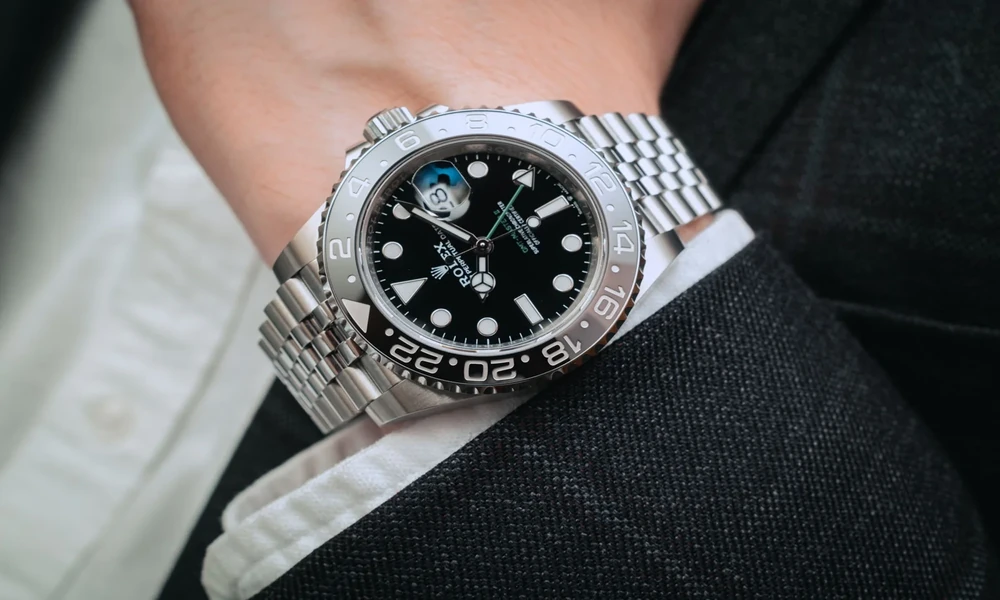
Some carry value that extends well beyond their precious-metal content. Rare coins, vintage watches and historically significant jewellery often belong to a different economic category altogether, where scarcity, originality and collector demand shape the price far more than the underlying gold.
In these cases, the metal establishes only a floor.
Collectors are purchasing history as much as chemistry. A low-mintage coin, an unusual mint mark or an exceptionally well-preserved example may command thousands of dollars above its intrinsic gold value because surviving specimens are genuinely scarce.
Condition also becomes a decisive factor.
Minor differences in surface preservation, lustre or handling marks, often invisible to most owners, can substantially alter collector demand. Two outwardly identical coins may accordingly occupy entirely different price brackets once examined under magnification.
Rather than focusing solely on weight, specialists assess how rare an object has become after decades of circulation, government recalls, private melting and simple deterioration.
The Hidden Cost of Cleaning
A few mistakes prove more expensive than trying to improve an old gold item before seeking an appraisal.
Many owners assume that polishing tarnish or removing surface discolouration will increase value. That assumption may hold for some modern consumer goods, but historic gold often follows the opposite rule.
Collectors prize originality because it can prise open the hidden value that time has preserved.
The microscopic surface created during manufacture forms part of an item’s authenticity. Abrasive polishing or chemical cleaning can permanently erase those characteristics, reducing a desirable collector’s piece to little more than its melt value.
A coin that might once have attracted a substantial premium can lose much of that additional worth in a matter of minutes. This is not really because the gold has changed, but because the evidence of its history has disappeared.
Choosing the Right Evaluation
The lesson is not that one valuation method is superior to the other. Each serves a different purpose.
Broken chains, damaged bracelets and ordinary bullion are generally assessed according to their precious-metal content because that is where their market value primarily resides.
Historic coins, estate jewellery and vintage timepieces require a broader evaluation. Their worth may derive from rarity, provenance, craftsmanship or collector demand. These are the qualities that cannot be measured on a scale.
For that reason, sellers benefit from separating ordinary scrap gold from potentially collectable pieces before seeking an appraisal. Equally important is resisting the temptation to restore or polish older items, however dull they may appear.
Those considering the sale of historic coinage should also seek professionals experienced in evaluating collectable pieces rather than relying solely on commodity pricing. Gold coin buyers are equipped with the proper know-how to identify premiums that extend well beyond melt value. Likewise, owners comparing offers for vintage jewellery may benefit from consulting professionals who also assess estate pieces alongside engagement ring buyers, where craftsmanship and provenance can influence pricing as much as precious-metal content.
Ultimately, the widest differences in offers rarely arise because one buyer is generous and another is not. They arise because each is looking at the same object through a different lens. One sees ounces of gold. The other sees a surviving piece of history. Knowing which question is being asked before accepting an offer may prove to be the most valuable part of the entire appraisal.